
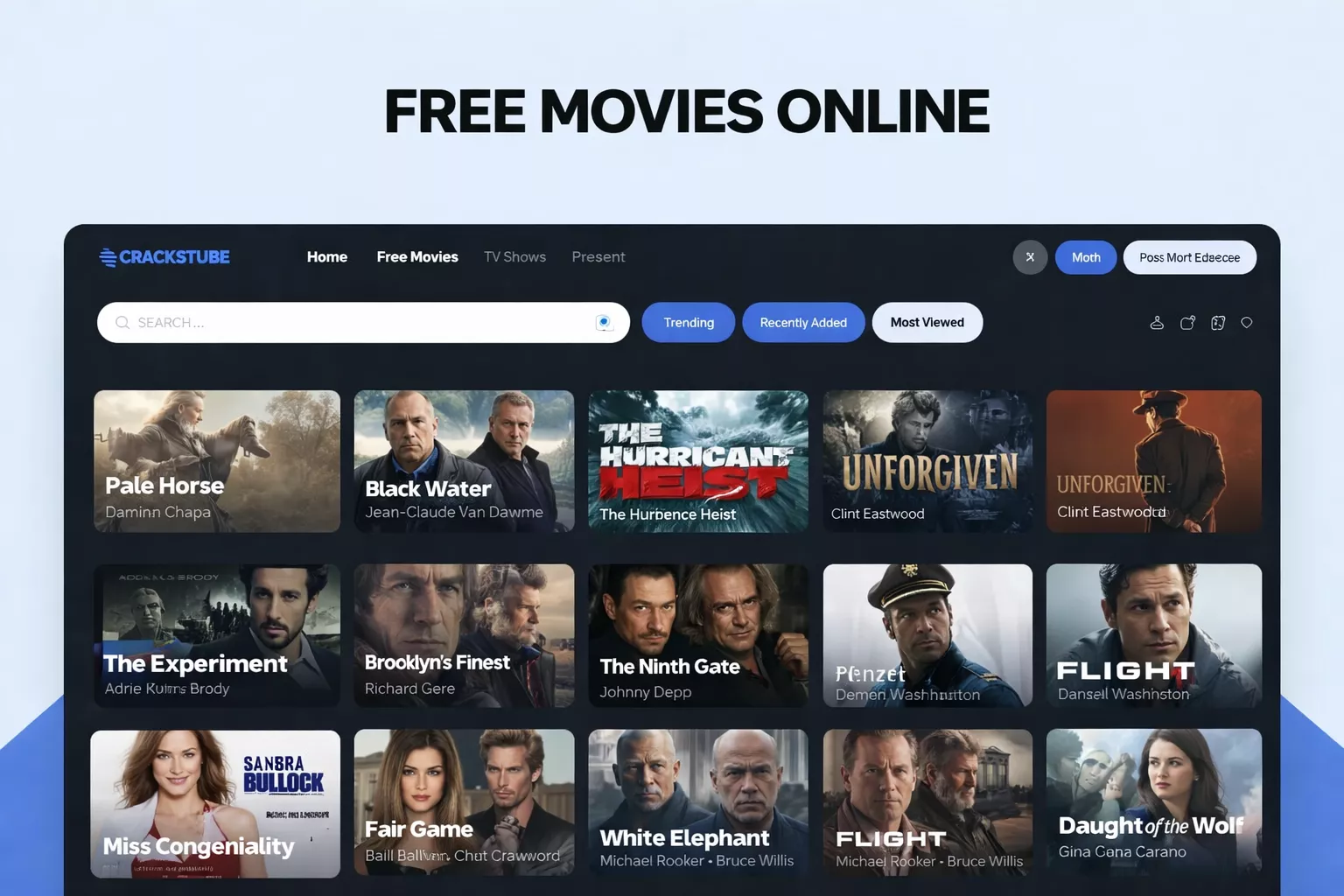
Let’s be real for a moment. Streaming subscriptions can pile up quickly. You start with one platform, then add another for a specific show, and soon you’re juggling three or four monthly charges. Before long, you’re spending fifty dollars or more just to keep up with a handful of series. It adds up fast—and it doesn’t always feel worth it.
Now imagine finding a platform where you can watch videos, movies, short clips, and trending content without entering your credit card information or signing up for a membership. No surprise fees. No complicated commitments. Just simple access.
That platform is called Crackstube.
I first came across Crackstube about eight months ago while trying to track down an old cartoon I used to love. It wasn’t available on Netflix. It wasn’t on Hulu either. But there it was on Crackstube, ready to stream. I clicked play, expecting a sign-up wall or subscription prompt—but none appeared. The video started instantly. No forms. No upgrades. Just straightforward streaming. That experience completely changed how I think about online content.
In this guide, I’ll walk you through what Crackstube offers, how it works, and what you should know before using it. Whether you’re a parent searching for classic cartoons, a student looking for documentaries, or someone who simply likes having something playing in the background while tackling chores, there’s a lot to explore.
Let’s get started.
What Exactly Is a Free Streaming Website — and How Do They Work?
Free streaming websites are online platforms that allow users to watch videos without paying a subscription fee. Think of them as digital libraries of content — movies, short films, clips, music videos, and sometimes user-uploaded material.
Most of these platforms operate in one of three ways:
- Ad-supported legal streaming (like Tubi or Pluto TV)
- User-generated content platforms (like YouTube)
- Aggregator or indexing sites that link to content hosted elsewhere
The first two are fully legal and licensed. The third category can operate in a legal gray area depending on how content is sourced and whether proper rights are obtained.
When visiting any free streaming site, users typically see:
- A search bar
- Categories like “Trending” or “Recently Added”
- A built-in video player
- Optional download or save features
Some require accounts. Others do not.
Why Free Streaming Is Becoming More Popular
Subscription fatigue is real.
Many households now pay for multiple platforms — Netflix, Hulu, Disney+, Max, and others. The combined cost can easily exceed $50–$70 per month. Over a year, that’s hundreds of dollars.
Because of this, viewers are increasingly looking for:
- Ad-supported options
- Free legal streaming services
- Public domain content
- Library-based streaming access
People want flexibility. They want access without long-term commitments.
Important: Is It Legal and Safe?
This is the most important question.
Not all free streaming platforms operate legally. Some host copyrighted content without permission. Others link to third-party uploads that may violate distribution rights.
Before using any free streaming site, consider:
- Does the site clearly state licensing agreements?
- Does it host content legally?
- Does it require suspicious downloads?
- Is it overloaded with pop-ups and redirect ads?
For safer viewing:
- Use legitimate ad-supported services
- Avoid downloading unknown “video players”
- Never enter credit card information on suspicious sites
- Keep antivirus protection active
If a platform offers brand-new theatrical releases for free, that’s usually a red flag.
Legal Free Streaming Alternatives
If you’re looking to cut subscription costs, here are fully legal options:
- Tubi – Large free movie library (ad-supported)
- Pluto TV – Live TV-style streaming
- Crackle – Classic shows and films
- YouTube (free section) – Free movies with ads
- Kanopy – Free with a library card
- Hoopla – Also available through many public libraries
These platforms are licensed and safe to use.
How to Stream Smarter Without Overspending
Here are practical strategies to reduce streaming costs:
- Rotate subscriptions monthly instead of keeping all at once
- Use free trials strategically
- Check your local library’s streaming offerings
- Share family plans (where permitted)
- Explore public domain films
You don’t have to eliminate paid services completely. You just have to use them intentionally.
The Bigger Picture: The Future of Streaming
Consumers are signaling something clearly:
They want affordability and accessibility.
We’re seeing growth in:
- Ad-supported streaming
- FAST channels (Free Ad-Supported Television)
- Public domain archives
- Hybrid subscription models
The streaming market is evolving. And viewers are demanding value.
Final Thoughts
It’s understandable to feel overwhelmed by rising subscription costs. But before turning to questionable platforms, it’s worth exploring the many legal free alternatives available today.
Free streaming can absolutely be done safely — but it requires awareness and smart browsing habits.
If you’d like, I can also:
- Turn this into an SEO-optimized article
- Rewrite it with a neutral tech-review tone
- Create a consumer protection guide
- Format it for a blog with FAQs
- Add a comparison chart of legal platforms
Let me know which direction you’d like to go.
You May Also Like This
- Your Topics | Multiple Stories: A Fresh Way to Share What Matters
- Florida Woman Wins Monopoly Lottery: A Life-Changing Win
- CRACKSTUBE: THE HIDDEN GEM FOR FREE VIDEO STREAMING YOU NEED TO SEE
- Walmart Anti Money Laundering CBL Answers: A Clear Guide
- Illinois Public Act 101-0038 Task Force: What It Is, Why It Matters
